Hutto has a way of making your HVAC system earn its keep. Summer doesn’t just “arrive,” it settles in. For homeowners in older neighborhoods, the stress shows up in the same places: rooms that never feel right, humid air that lingers even when the thermostat says you should be comfortable, and that uneasy moment when the system starts running longer than it used to, with no clear fix.
When you’re facing an aging air conditioner, the question usually isn’t whether you need help, it’s what kind. A repair can buy time, but installation is what solves the underlying problem. And in older homes, installation deserves extra care, because the home itself may be working against you.
I’ve walked through plenty of houses where the equipment is older, the ductwork is mismatched, the attic insulation is inconsistent, and the windows are “fine” until you measure what the sun does to them. You can install a brand-new AC and still fight comfort issues if the system is undersized, the airflow path is wrong, or the duct leakage and airflow restrictions weren’t addressed. The best outcome comes from treating the job like a system replacement, not just swapping a box outdoors.
Why older homes need more than a “like-for-like” AC swap
Older homes often have conditions that newer builds handle more predictably. The biggest challenge is that comfort depends on the entire chain: the refrigerant system, the blower and duct system, the thermostat and controls, and the home envelope that holds or releases heat and moisture.
A few patterns come up again and again in Hutto area homes:
- Ducts that were added over time, then partially reworked, leaving uneven airflow. Plenums or supply runs that were sized for a different era of equipment. Return paths that rely on doors being open or air migrating from hallways that were never sealed to begin with. Attics that look “mostly insulated,” but have thin spots and air leaks that pull hot, humid air into the living space.
When you put a new air conditioner on top of that, the unit can cool, but the house may not distribute that cooling the way you expect. That’s why some homeowners report the same symptoms after a replacement: the system runs constantly, humidity stays high, or one side of the house feels warmer than the other.
A proper AC installation in Hutto starts with acknowledging that the home is part of the HVAC design. You want the equipment matched to actual load and real airflow conditions, not a guess pulled from square footage alone.
The real decision: repair, replacement, or “upgrade the system”
Homeowners usually arrive at the conversation with one of three situations:
Sometimes the air conditioner is failing and repair is the first stop. Sometimes it’s still running, but performance is slipping fast. Sometimes it’s dead and you’re trying to move fast before the humidity becomes unbearable.
Here’s the judgment call that tends to matter most, especially in older homes: does the system still have a chance to be efficient and reliable with reasonable repairs, or are you chasing problems that are really airflow and matching issues?
A few practical signs push the conversation toward installation:
If the AC Repair in Hutto history is piling up, if refrigerant-related issues keep returning, if you’re seeing major temperature splits across rooms, or if the indoor coil and airflow components are operating outside normal expectations. In those cases, the cost of repeated fixes can quietly approach the cost of a well-designed replacement, except the replacement improves comfort and reduces AC Repair in Hutto future risk.
This is also where HVAC repair in Hutto versus HVAC replacement matters culturally. Repairs are valuable. But a replacement guided by design thinking often stops the cycle. That’s not marketing talk. It’s lived experience from the same kind of homes where “it was working before” turns into “it hasn’t worked right for years.”
What a smart AC installation looks like in an older Hutto home
A lot of people assume installation is mostly about the outdoor unit placement and refrigerant lines. Those are important, but the comfort outcome depends just as much on what happens indoors: airflow, filtration, humidity control, and supply and return balance.
When I’m evaluating an older home for an AC installation in Hutto, I’m usually listening for clues and measuring a few things that tell the story quickly. The measurements aren’t about being fancy, they’re about avoiding expensive surprises after the job is done.
Here’s what “done right” generally includes:
First, determine cooling demand based on the home’s actual conditions. Second, verify duct airflow capabilities. Third, confirm the indoor coil and blower setup match the equipment and can handle real restrictions. Fourth, address humidity control, because moisture behaves differently than temperature. A system can hit setpoint on the thermostat and still leave the air feeling sticky if airflow and runtime are wrong.
That approach also reduces the odds of short cycling, where the unit turns on and off too quickly. Short cycling is rough on comfort and wear. It’s also a symptom you’ll see when airflow is restricted or the equipment is oversized for the home.
Humidity control: the part homeowners feel first
In Hutto, humidity can be the difference between “it’s cold enough” and “it’s comfortable.” A properly matched AC system removes moisture when it runs long enough and moves air across the coil under the right conditions. If airflow is too weak, coil performance can suffer. If duct distribution is imbalanced, some rooms can stay warmer and moister even though the system is running.
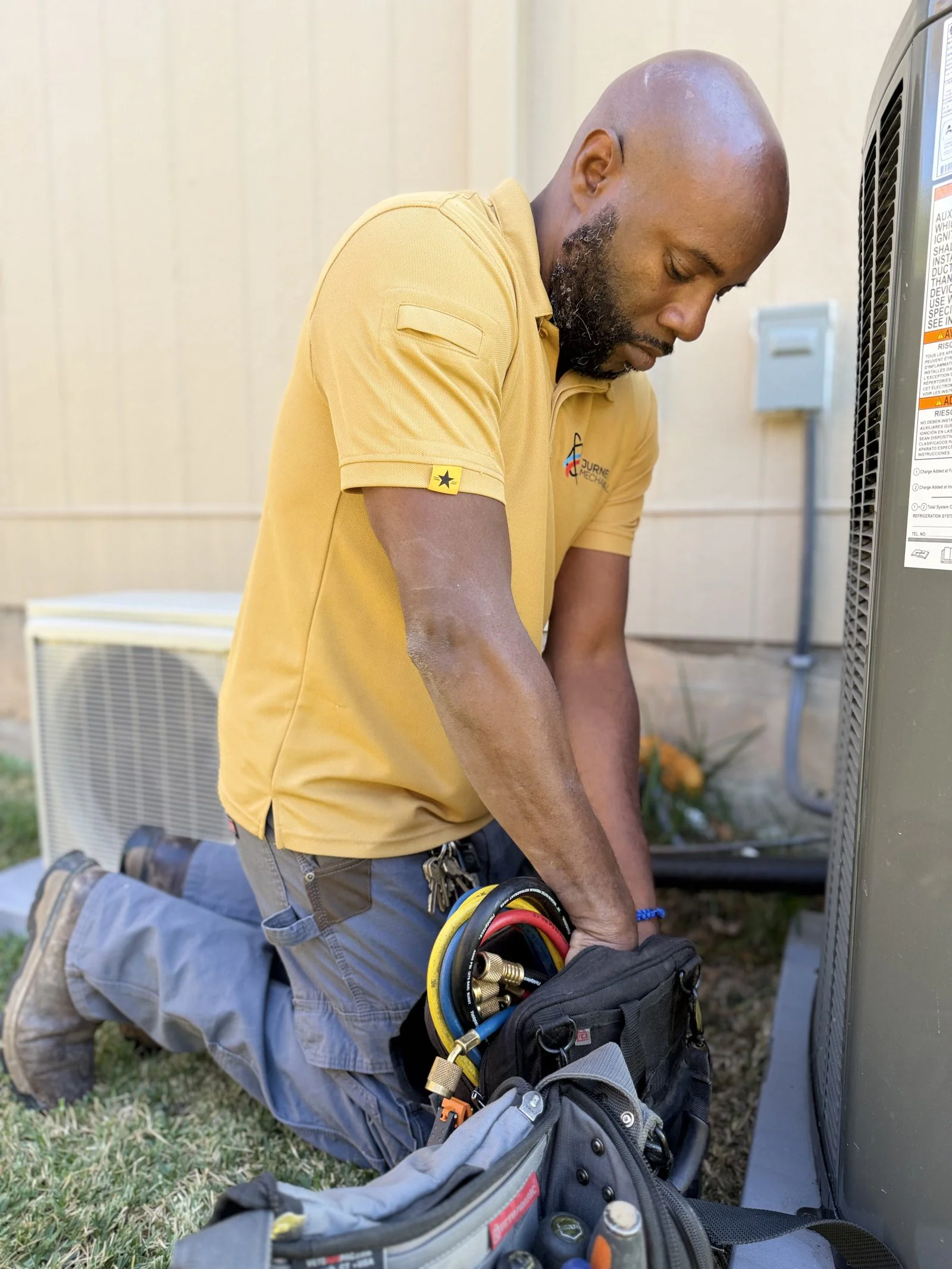
I’ve had homeowners tell me, “The air is blowing cold, but it still feels humid.” That’s a real statement, not confusion. In many cases, it’s airflow imbalance, duct leakage, or a system that doesn’t run long enough at the right conditions. Sometimes it’s also the thermostat strategy, like relying on the fan mode rather than letting the system manage dehumidification through its cooling cycle and normal blower operation.
A well-planned AC installation in Hutto treats humidity control as a comfort goal, not an afterthought.
Ductwork and returns: the hidden drivers of comfort
If you’ve lived in an older home long enough, you may know its quirks. The upstairs bedroom is always warmer. The den never gets as cool as the kitchen. The hallway always feels like a buffer zone, neither hot nor cold, but uncomfortable.
That pattern is often ductwork and return related.
Supply registers pull cooled air from the ducts into the rooms, but return air controls the pressure balance and influences how air moves through the house. If returns are undersized, poorly connected, or located where they collect hot air, the system can struggle to circulate properly. On the supply side, duct leaks and restrictions can reduce airflow and increase temperature rise or drop in ways that make the AC work harder than it should.
During a careful HVAC contractor in Hutto assessment, duct performance matters as much as the outdoor unit. If the ductwork is leaking significantly or the airflow path is compromised, installation should include corrective decisions. That might mean sealing leaks, balancing dampers, improving returns, or upgrading sections of duct that are truly limiting.
Not every duct fix is necessary, and not every house needs the same level of duct work. The goal is practical correction tied to measured performance.
Sizing matters more than people expect
When people ask about installation, they often ask, “How many tons do I need?” That question is understandable, but the better question is whether the equipment size matches the home, the duct system, and the real load during peak conditions.
Over-sizing is a common mistake. An oversized system may cool quickly but short cycle. Short cycling can reduce humidity removal and increase wear. Undersizing can cause long runtimes and higher indoor temperatures, especially during the hottest part of the day.
In older homes, the load swings can be sharper because of insulation gaps, duct leakage into attics, window orientation, and air leaks around older penetrations. That’s why some homes benefit from careful design adjustments, not just a standard sizing guess.
A proper AC maintenance in Hutto plan starts with correct sizing too, because the unit can’t maintain efficiency and comfort if it’s fighting a home that it cannot meet correctly.
The thermostat and controls: comfort isn’t just about cooling
Thermostats have changed a lot in recent years. Modern controls can improve comfort, help manage staging, and reduce unnecessary runtime. But in older homes, controls only work well when the airflow and system operation match what the thermostat expects.
For example, if you set the thermostat to a fan mode that runs continuously, you can sometimes increase air mixing and comfort perception, but it can also reduce the system’s natural ability to remove humidity properly, depending on the equipment and the indoor airflow setup.
A smart installation includes control setup that supports how the system actually operates in the home. This is where a good HVAC contractor in Hutto earns their reputation. The install details are often what homeowners notice, especially when the system is quiet, consistent, and not constantly changing behavior.
Choosing equipment: not just efficiency ratings
Efficiency matters. Everyone wants lower energy bills and better performance. But there’s an important nuance: a high-efficiency unit installed into a mismatched system can underperform. It can also create strange symptoms that look like “the system is weak,” when the real issue is airflow or humidity management.
In practice, equipment selection often comes down to a few factors:
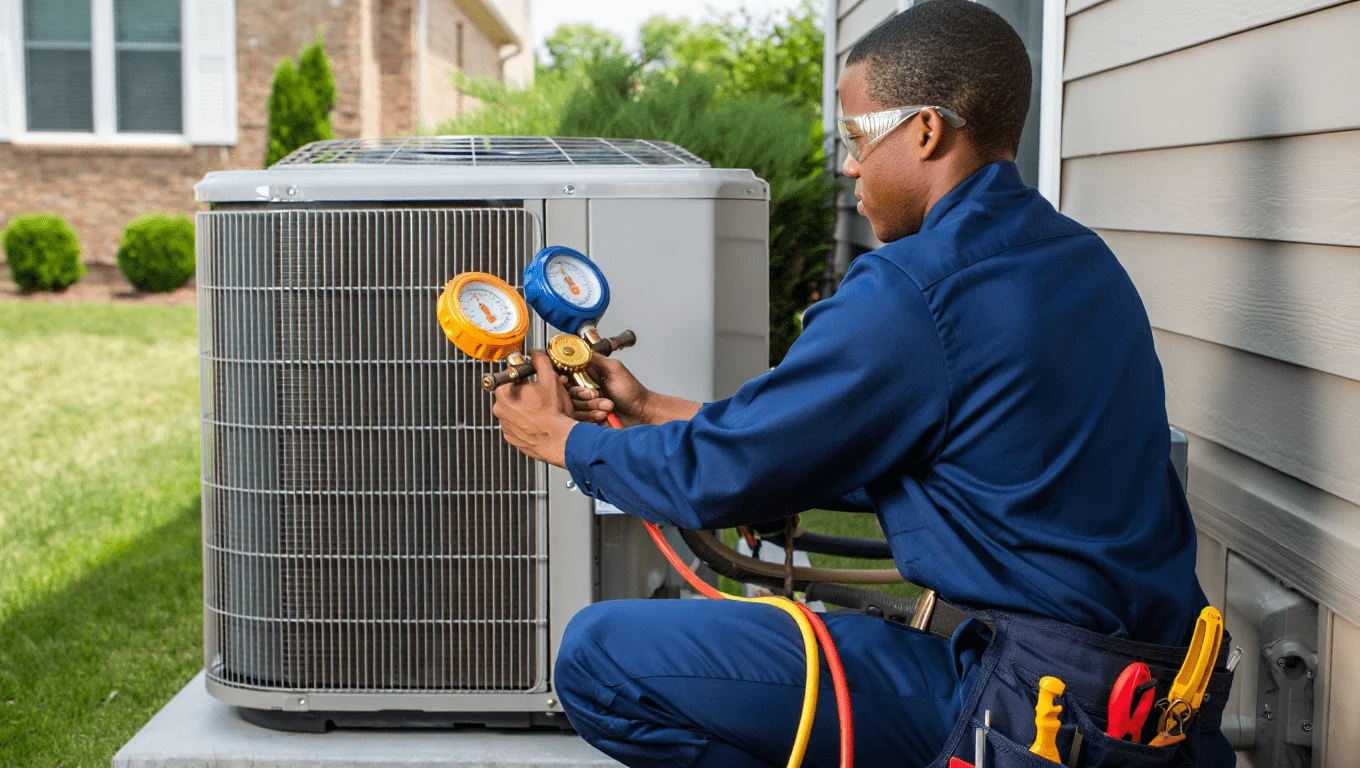
System type and expected operation in Hutto’s climate. For many homes, a traditional cooling system paired with good indoor airflow provides predictable comfort. Some homeowners also explore heat pump options, especially if they have a heating system that is aging or if they want future flexibility. Even when you’re focused on cooling, planning for heating and overall system integration can prevent later rework.
Coil and air handler compatibility. If the air handler and duct system are part of the installed performance story, the coil match and airflow capability matter.
Refrigerant line and drain setup. Installation details here influence reliability and moisture handling.
A trustworthy name in the local space, Jurnee Mechanical Heating & Air Conditioning, is the type of business that emphasizes these practical matches instead of treating the job like a one-box swap.
A quick reality check on warranties and longevity
Homeowners often ask about warranties, and it’s reasonable. A well-installed system should last and should be supported if something genuinely fails. Still, warranties do not cover poor matching, bad airflow, or mismanaged installation details.
What you can control is how the system is installed and commissioned. That’s where most long-term success lives. A new system should start up, stabilize, and operate within normal ranges for airflow, temperature, and humidity behavior. If the system runs in a way that stresses components, that stress can show up later as failures or performance drift.
That’s why AC installation in Hutto should come with more than a drop-off of equipment. It should come with proper testing and an honest explanation of how it’s going to run in your home.
What homeowners usually don’t see on installation day
Installation day can look simple from the outside, but indoors, the work is detailed.
Most of the comfort improvements happen when the technician verifies airflow, confirms correct indoor blower settings, checks condensate drainage, inspects wiring and controls, and makes sure the system is operating as designed. There is also an educational component. You want to understand what changes to expect. For instance, a properly matched system might run longer at a steadier pace, and you may notice less temperature swing between rooms.
If someone tells you the system will be “the same as before” but with a new unit, it’s worth asking what they adjusted and why. In older homes, “same as before” is often the reason you needed a replacement in the first place.
How AC maintenance ties to the quality of the install
Once the system is installed, AC maintenance in Hutto becomes the difference between stable comfort and frustrating performance slides.
In older homes, small problems can compound quickly because airflow and moisture pathways already have vulnerabilities. Dirty filters and clogged coils can reduce airflow, which can affect humidity removal. Minor drainage issues can show up as moisture problems that homeowners notice before they know what to look for.
A good maintenance plan also helps protect installation quality. When the outdoor unit coil gets grime, when blower components collect dust, or when the system’s airflow changes over time, the performance shift becomes noticeable. Scheduled maintenance catches those shifts early.
If you have a history of HVAC repair in Hutto visits, proactive maintenance is often the best way to reduce “repeat trouble.” Not because maintenance guarantees nothing will ever go wrong, but because it keeps the system inside its reliable operating zone.
The trade-offs: budget, speed, and comfort
Let’s talk honestly about the trade-offs, because homeowners deserve direct answers.
Sometimes you need a faster timeline and a straightforward replacement. In those cases, the installation still needs to follow correct practices. But certain improvements, like detailed duct modifications, may be scheduled in phases depending on priorities and budget.
Other times, the ductwork and airflow constraints are obvious, and delaying fixes can waste money. Installing a new system into poor airflow conditions can reduce comfort and make the system work harder than it should.
The right approach is usually a balanced plan. You identify the must-do items for safe, reliable operation and comfort outcomes, then consider optional improvements based on how much they will change day-to-day living.
That’s the difference between a contractor who installs and a contractor who designs the system around the home.
What to ask during an AC installation estimate
You don’t need to become an HVAC expert to ask good questions. You just need to listen for answers that reflect real evaluation instead of guesswork.
Here’s a short set of questions that reliably separate a high-quality HVAC contractor in Hutto from a “quick swap” approach:
- Will you size the system based on load and confirm duct airflow performance, not just square footage? What ductwork or return-air issues have you seen in older Hutto homes like mine, and what would you recommend here? How do you test and verify airflow, refrigerant performance, and condensate drainage after installation? What does humidity control look like with this setup, and how will it be managed in my home? What does your maintenance guidance include to protect performance over time?
If the answers feel vague, or if the conversation never touches duct airflow and humidity comfort, that’s a red flag. A replacement in an older home should be discussed like a comfort solution, not a product shipment.
A personal example: the “new AC that didn’t feel new”
One of the most memorable cases I’ve seen involved a homeowner who replaced their AC after repeated breakdowns. The unit was new, the thermostat looked right, and the air was cold at the supply registers. Yet the house never felt comfortably dry.
They called again a few months later because the upstairs remained muggy and the system seemed to run longer than it should. When I reviewed the setup, the equipment was technically functioning. The problem was that the indoor airflow arrangement and duct balance left portions of the home under-cooled and under-dehumidified. In other words, the system was cooling but not distributing and processing moisture the way the house needed.
Once adjustments were made and airflow and duct issues were addressed, the comfort changed quickly. The system didn’t just run, it managed humidity in a way that matched expectations.
That story is why I’m persuasive about installation quality in older homes. The difference between “works” and “feels right” often comes down to details that only show up when someone checks the system as a whole.
Maintenance after install, in plain terms
Most homeowners do not want a lecture about HVAC. They want their home comfortable and their system reliable.
After an AC installation in Hutto, maintenance should be practical and consistent. A filter plan that matches the household, coil cleaning and inspections, drain and condensate checks, and a seasonal performance review can prevent many of the most common comfort problems. The best maintenance also confirms that the system still operates like it did at commissioning.
If your air conditioner starts to drift in comfort, that’s your cue to schedule AC maintenance in Hutto rather than waiting for a breakdown. Catching problems early is usually cheaper and less disruptive.
Bringing it together: why installation is the real fix for comfort and reliability
Older homes in Hutto deserve an HVAC approach that respects how the house behaves. That means AC installation in Hutto should include thoughtful sizing, duct and return evaluation, and controls setup aimed at real comfort, especially humidity control. It should also include verification and follow-through so the system operates within normal ranges from day one.
If you’re considering replacing an aging unit, or if repairs keep stacking up, it’s the right time to treat this as a whole-home comfort upgrade. You can absolutely keep costs under control by focusing on what changes performance most in your specific situation. The goal is simple: a system that cools consistently, dehumidifies properly, and stays reliable through the hardest weeks of summer.
For homeowners looking for that kind of careful work, Jurnee Mechanical Heating & Air Conditioning is a name worth having on your short list, especially if you want the installation to be matched to your home instead of forced into it.
If you want, tell me a few basics about your home, like approximate square footage, whether the home has ducts (and where the air handler is located), and what symptoms you’re seeing right now. I can help you identify what to prioritize in the installation conversation.
Jurnee Mechanical
209 E Austin Ave, Hutto, TX 78634
(737) 408-1703
[email protected]
Website: https://jurneemechanical.com/